Hypercar Holy Trinity: McLaren P1, Porsche 918, Ferrari LaFerrari
A retrospective look at the three hybrid beasts that redefined automotive performance.
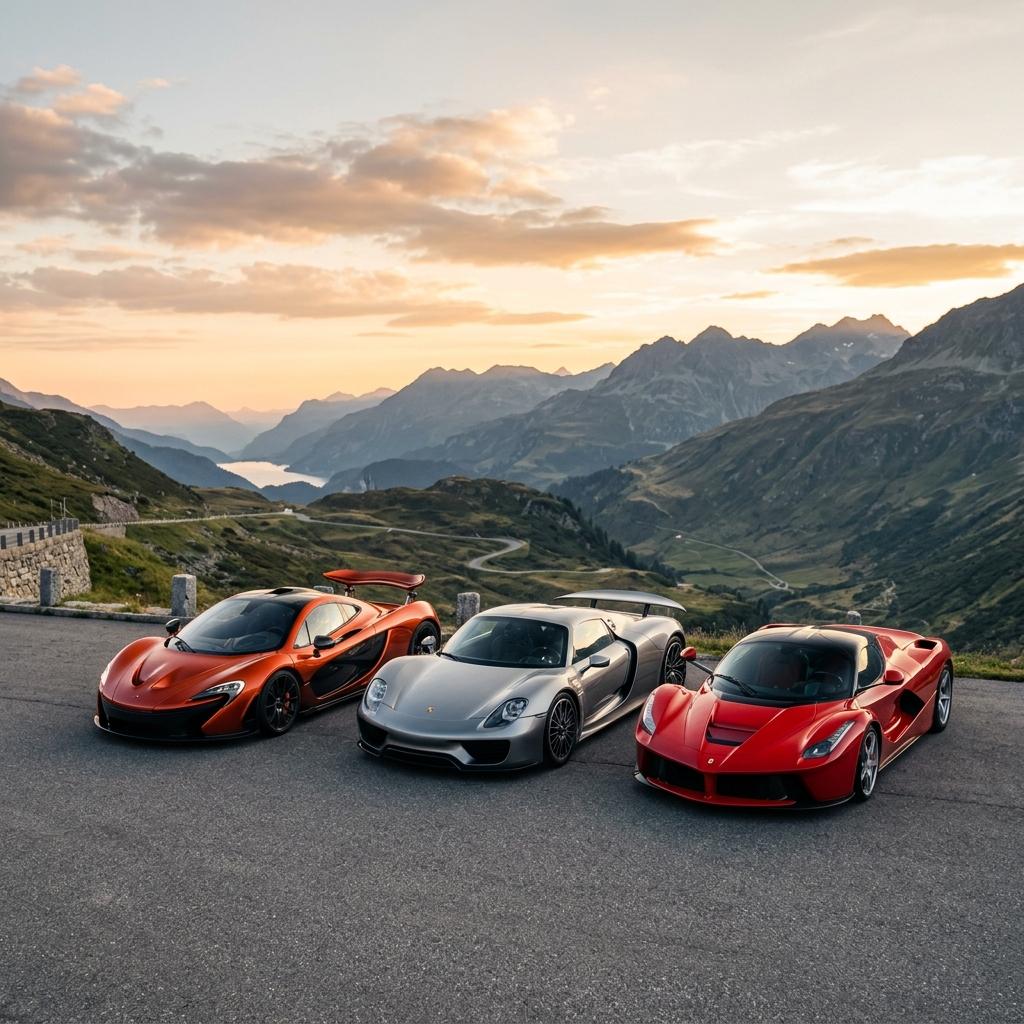
In the automotive world, paradigm shifts occur perhaps once in a generation. The late 1980s gave us the 200-mph pioneers like the Ferrari F40 and Porsche 959. The mid-2000s delivered the Bugatti Veyron, shattering the 1,000-horsepower barrier. But in 2013, the hypercar landscape was completely rewritten by not one, but three distinct masterpieces debuting almost simultaneously. They were the McLaren P1, the Porsche 918 Spyder, and the Ferrari LaFerrari. Collectively, they became known as the "Holy Trinity," representing the dawn of the hybrid hypercar era.
The Hybrid Hypercar Revolution
Prior to 2013, hybrid technology was synonymous with the Toyota Prius—a focus on maximum fuel efficiency at the absolute expense of performance. Ferrari, Porsche, and McLaren looked at the heavy batteries and electric motors and saw something else entirely: "torque fill."
Internal combustion engines, particularly highly-strung turbocharged or naturally aspirated V8s and V12s, take time to build power. There is a delay before the torque arrives. Electric motors, however, provide 100% of their torque instantaneously. The Trinity utilized hybrid systems to fill the gaps in the combustion engine's power band, resulting in relentless, violent acceleration from zero RPM all the way to redline.
McLaren P1: The Aerodynamic Weapon
Designed as the spiritual successor to the legendary McLaren F1, the P1 was the most track-focused, intimidating, and brutal member of the Trinity.
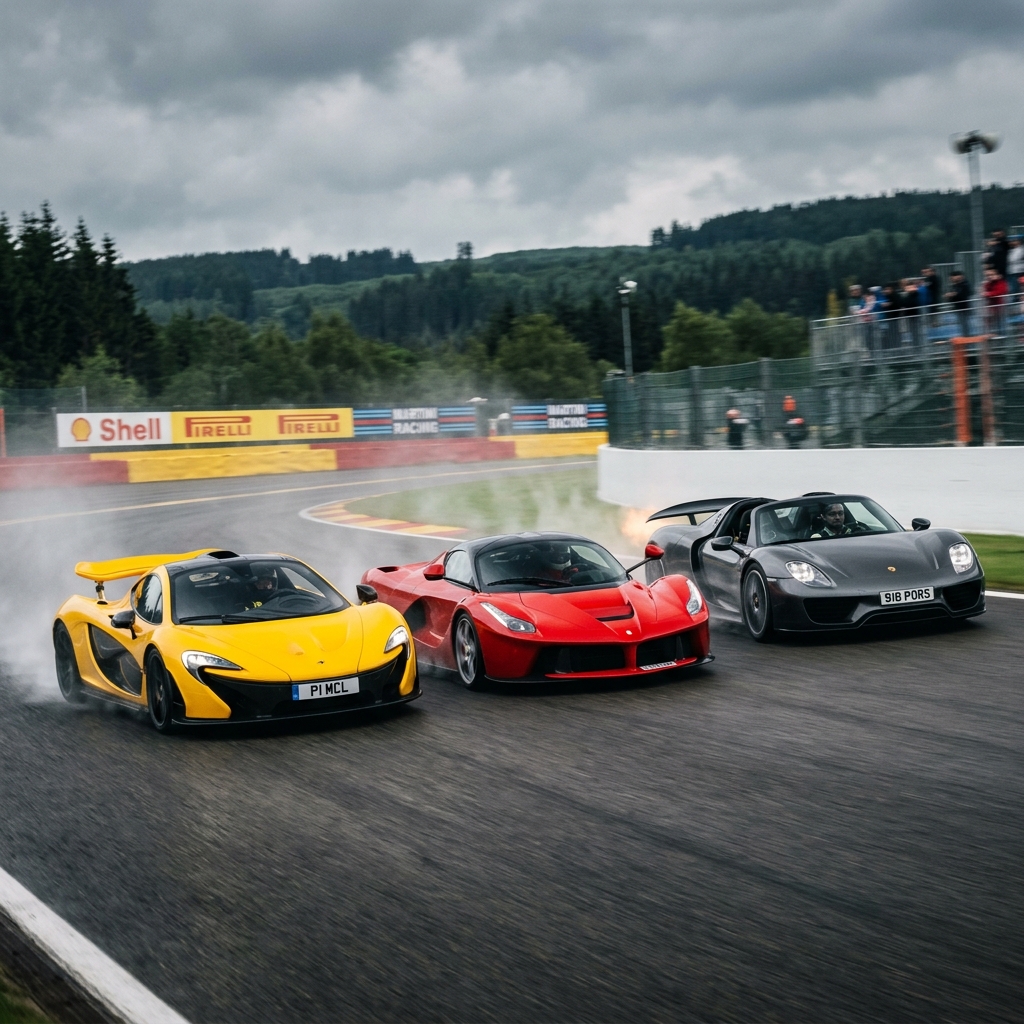
McLaren utilized their vast Formula 1 expertise to create a carbon-fiber shrink-wrapped weapon. Power came from a 3.8-liter twin-turbo V8 paired with a single electric motor, producing a combined 903 horsepower. The P1 was entirely rear-wheel drive, making it a terrifying handful for inexperienced drivers.
Its defining feature was active aerodynamics. In "Race Mode," the suspension dropped the car by 50mm, and a massive rear wing extended, generating a staggering 600 kg of downforce. The electric motor was specifically tuned to eliminate turbo lag, making the turbocharged V8 feel naturally aspirated. It was loud, stiff, and aggressively angry.
Porsche 918 Spyder: The Technological Marvel
If the McLaren was an untamed beast, the Porsche 918 Spyder was a calculated, technological scalpel. It was the heaviest of the three, but it utilized its mass with devastating efficiency.
Porsche opted for a naturally aspirated 4.6-liter V8 engine derived from their RS Spyder Le Mans prototype. They paired it not with one, but two electric motors—one on the rear axle and a fully independent motor on the front axle. This gave the 918 complex, torque-vectoring all-wheel drive.
Producing 887 horsepower, the 918’s party trick was its traction. While the P1 and LaFerrari struggled for grip off the line, the 918 utilized its all-wheel-drive system to launch with violent, G-force-inducing efficiency, hitting 60 mph in a verified 2.2 seconds. It was also the only car of the three with a removable roof and a dedicated "EV mode," allowing it to drive silently on battery power alone. It famously became the first production road car to break the 7-minute barrier at the Nürburgring Nordschleife (6:57).
Ferrari LaFerrari: The Ultimate V12 Hybrid
Ferrari’s approach was the most emotive and traditional. Rather than utilizing turbochargers or complex all-wheel-drive systems, Maranello stuck to what they do best: a screaming, naturally aspirated V12 engine.
The aptly named LaFerrari (literally "The Ferrari") paired a colossal 6.3-liter V12 that revved to an ear-splitting 9,250 rpm with an F1-derived HY-KERS electric system. The combined output was an astronomical 950 horsepower, making it the most powerful of the Trinity.
Like the McLaren, it was rear-wheel drive. However, Ferrari specifically designed the hybrid system so that it could never be driven on electric power alone. The electric motor existed solely to enhance the V12, smoothing out gear shifts and providing massive low-end torque while the V12 wailed to the redline. It was widely considered the most beautiful, the best-sounding, and the most engaging to drive on a winding road.
The Performance Comparison
On paper, the cars were remarkably similar in performance. All three could cross the quarter-mile in under 10 seconds and exceed 210 mph.
- 0-60 mph: Porsche 918 (2.2s) beat the LaFerrari (2.4s) and P1 (2.6s) due to AWD.
- Track Times: Varied heavily depending on the track. The Porsche dominated tight, technical tracks with AWD; the McLaren shone on high-speed circuits due to massive downforce; the Ferrari excelled in flowing, high-speed sections.
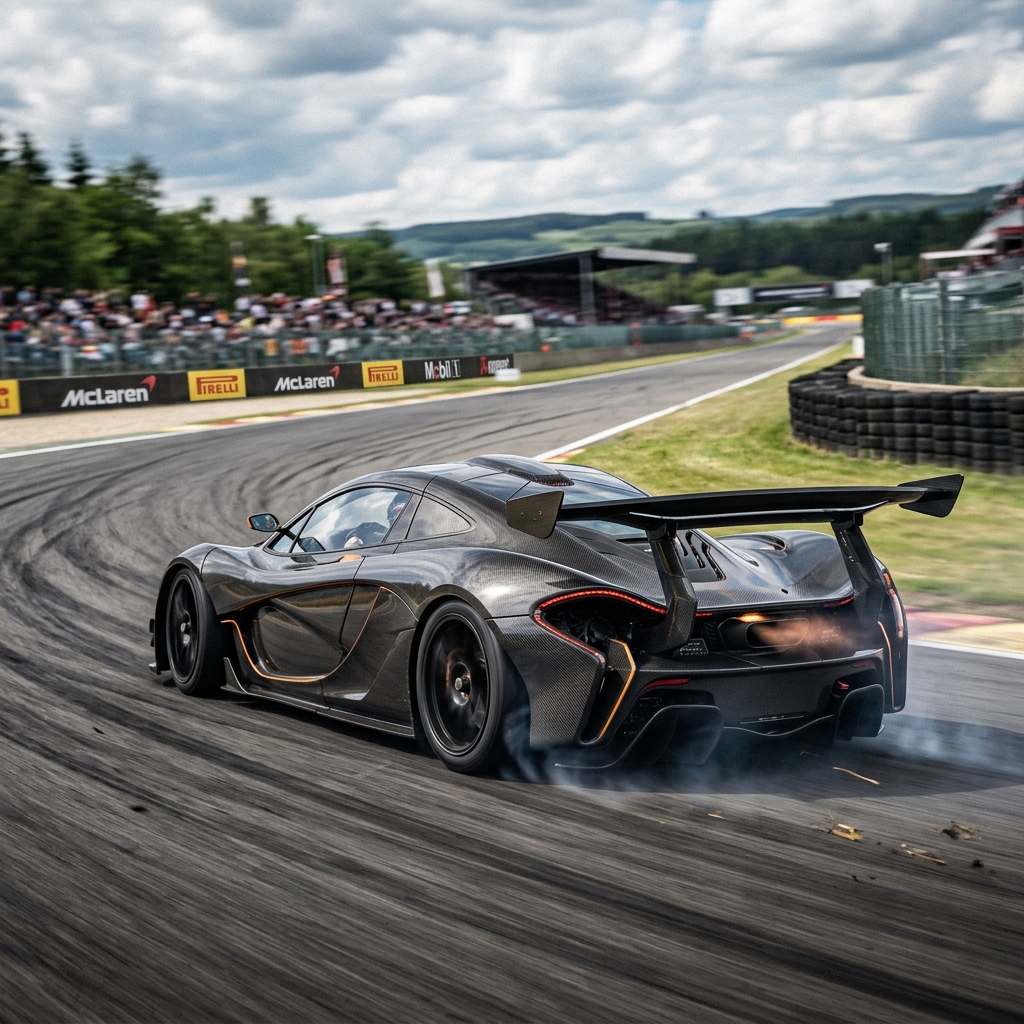
Automotive journalists spent years trying to organize a definitive track battle between the three, a feat that proved incredibly difficult due to manufacturer politics and tire specifications.
The Legacy of the Trinity
The Holy Trinity didn't just push the boundaries of speed; they legitimized hybrid technology for driving enthusiasts. They proved that batteries and electric motors weren't just for eco-boxes, but were the ultimate performance-enhancing drugs for internal combustion engines. They paved the way for the modern era of hypercars (like the Aston Martin Valkyrie and Mercedes-AMG One) and ensured that the transition to electrification would be blisteringly fast.
Specifications Comparison
| Feature | McLaren P1 | Porsche 918 Spyder | Ferrari LaFerrari |
|---|---|---|---|
| Powertrain | 3.8L TT V8 + 1 E-Motor | 4.6L NA V8 + 2 E-Motors | 6.3L NA V12 + 1 E-Motor |
| Total Power | 903 hp | 887 hp | 950 hp |
| Drivetrain | Rear-Wheel Drive | All-Wheel Drive | Rear-Wheel Drive |
| Weight | ~1,490 kg (3,280 lbs) | ~1,675 kg (3,690 lbs) | ~1,585 kg (3,495 lbs) |
| Production | 375 units | 918 units | 499 units (+210 Apertas) |
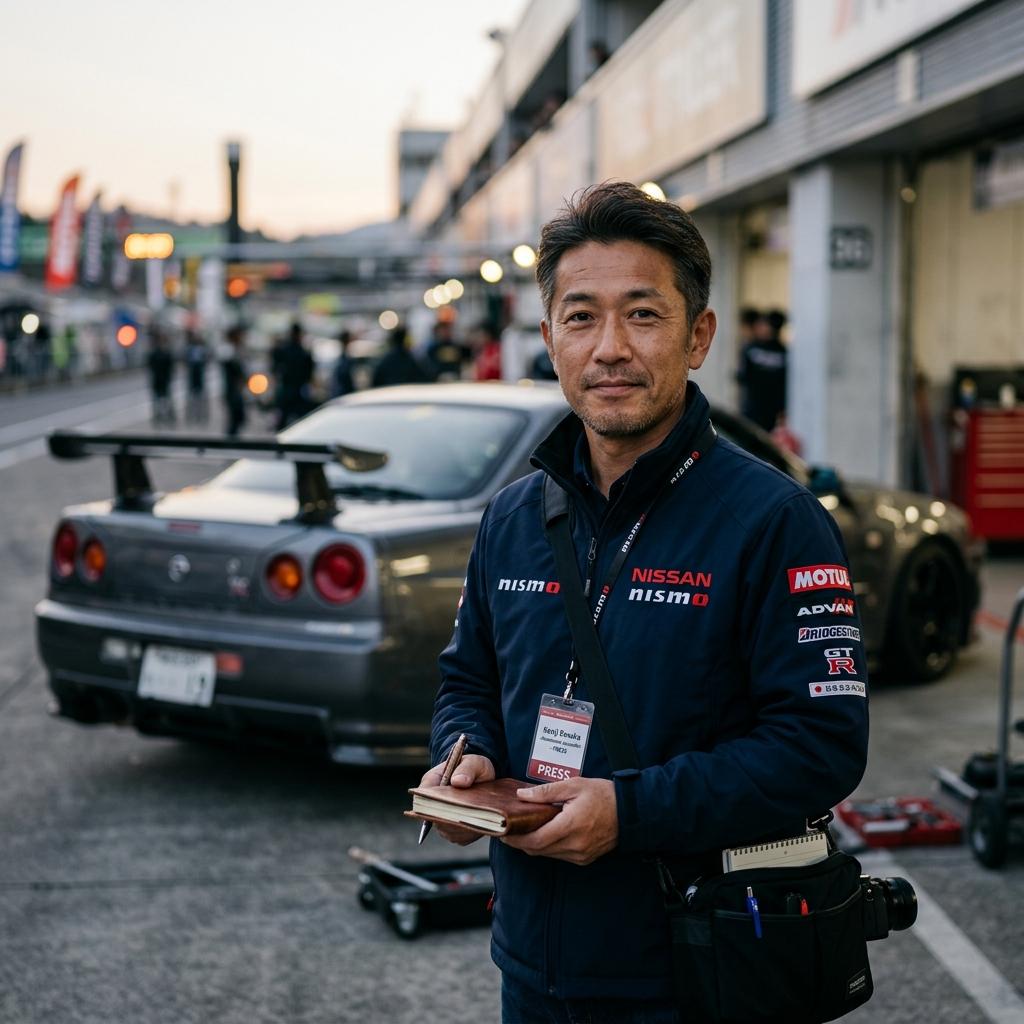
Kenji Sato
Kenji Sato is a contributing writer for Primedealsearch, bringing refined insights and expertise to our readers.