Aston Martin DB5: Bond's Eternal Companion

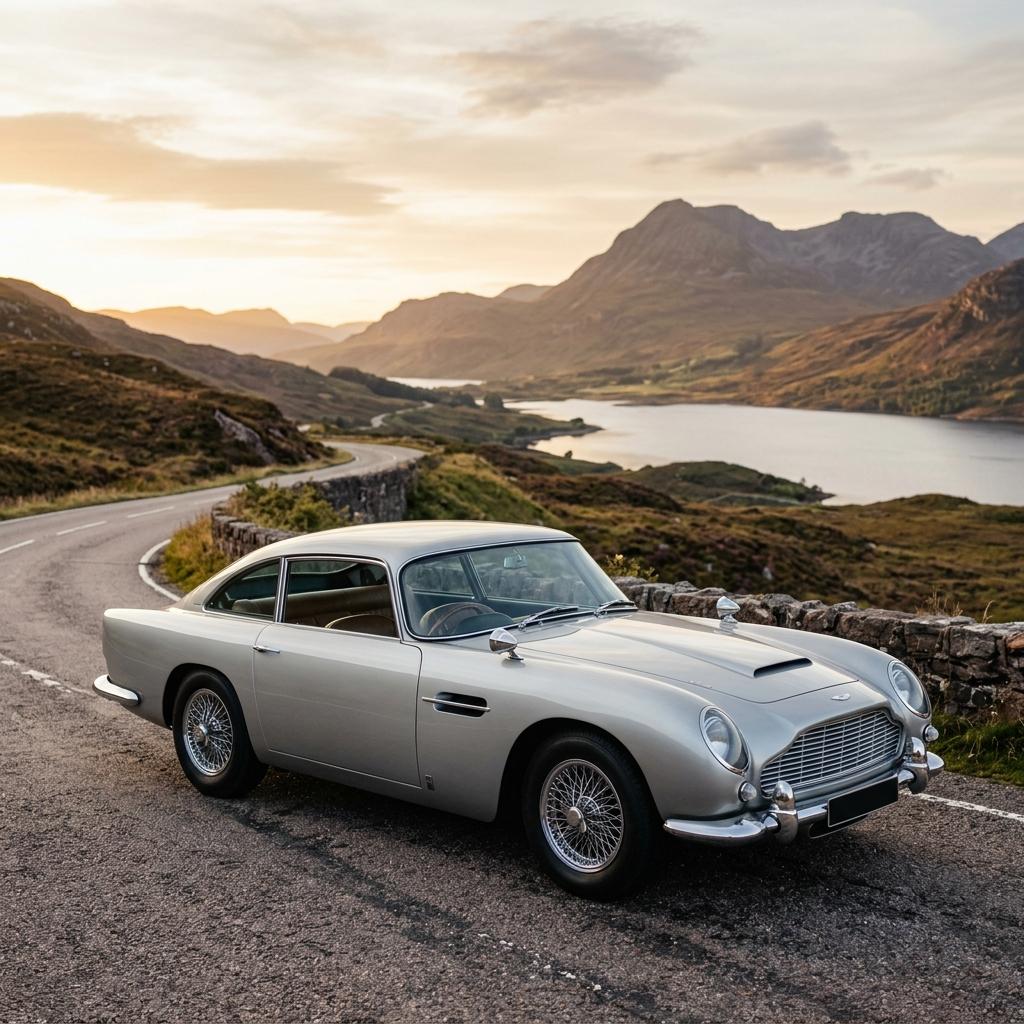
Forever associated with James Bond, the Aston Martin DB5 transcended automotive enthusiasm to become one of the most culturally significant vehicles ever produced.
Forever associated with James Bond through the basic Goldfinger film of 1964, the Aston Martin DB5 transcended automotive enthusiasm to become one of the most culturally significant vehicles ever produced. The basic combination of elegant David Brown era styling, sophisticated grand tourer engineering, and the basic legendary cinema appearance created a vehicle whose cultural significance extends far beyond its substantial automotive merits. More than six decades after its original 1963 introduction, the basic DB5 remains one of the most recognized and desired automobiles in history, with values that reflect both the basic vehicle's automotive significance and its basic cultural importance.
The David Brown Era
David Brown acquired Aston Martin in 1947 and substantially transformed the basic company through subsequent decades. Various Aston Martin vehicles from the basic David Brown ownership period (which ended in 1972 when Brown sold the basic company) bear the basic DB designation in his honor. The basic DB series included the basic DB1 through DB6 and various other vehicles that established Aston Martin's basic reputation as one of the most prestigious British luxury and performance manufacturers.
The basic DB5 was the fifth main vehicle in the basic David Brown era series, succeeding the basic DB4 introduced in 1958. The basic DB4 had established the basic Italian-derived styling that continued through the DB5 generation. The basic styling work involved cooperation between Aston Martin engineers and the basic Italian coachbuilder Touring of Milan, who provided the basic distinctive Superleggera body construction technique.
The basic Superleggera construction involved an aluminum body skin draped over a tubular steel framework. The basic combination provided substantial weight reduction compared to conventional construction methods while maintaining the basic structural integrity necessary for high-performance grand tourer applications. The basic technique was originally developed by Touring for various Italian luxury vehicle applications and adopted by Aston Martin for the basic DB series.
The 1963 DB5 Introduction
The basic Aston Martin DB5 was introduced in 1963 as a refined evolution of the basic DB4. Various improvements over the basic DB4 included the basic enlarged 4.0-litre inline-six engine producing 282 horsepower (compared to the basic DB4's 3.7-litre engine), the basic ZF five-speed manual transmission (replacing the basic DB4's four-speed unit), and various other refinements throughout the basic vehicle.
The basic DB5 styling continued the basic Italian-derived design established by the DB4, with various subtle refinements throughout the basic body. The basic distinctive elements including the basic egg-crate grille, four headlights arranged in pairs, elegant body proportions, and various other features created visual character that reviewers and customers consistently praised. The basic combination of British engineering with Italian coachbuilding influence established a distinctive grand tourer aesthetic.
Various specific DB5 variants extended the basic platform into different applications. The basic standard DB5 coupe accounted for the basic majority of production. The basic DB5 Convertible (subsequently renamed Volante in some markets) provided open-top alternative. The basic DB5 Vantage variant included various performance enhancements including triple Weber carburetors that increased power output to approximately 314 horsepower. Various other special variants including the basic Shooting Brake estate variant addressed specific customer requests.
The James Bond Connection
The basic DB5's appearance in the basic 1964 James Bond film Goldfinger established the basic vehicle as the basic eternal Bond car despite various subsequent Bond films featuring various other vehicles. The basic Goldfinger DB5, equipped with various fictional gadgets including ejection seat, machine guns, smoke screen, oil slick dispenser, and various other features, became one of the most iconic cinema vehicles in history.
Various subsequent Bond films featured DB5 examples including Thunderball (1965), GoldenEye (1995), Tomorrow Never Dies (1997), Casino Royale (2006), Skyfall (2012), Spectre (2015), and No Time to Die (2021). The basic continuing DB5 appearances across multiple decades and various Bond actor portrayals established the basic vehicle's permanent association with the basic Bond franchise.
The basic original Goldfinger DB5 hero car has been displayed in various museums and exhibitions across decades. The basic cultural significance of the basic Goldfinger DB5 has been recognized through various automotive heritage organizations and cinema preservation efforts. The basic combination of automotive and cinema cultural significance creates ongoing relevance that few alternative vehicles can match.
Production Numbers and Variants
The basic DB5 production from 1963 to 1965 totaled approximately 1,059 examples across all variants. The basic distribution included approximately 887 standard coupe examples, 123 Convertible examples (subsequently renamed Volante), and various smaller numbers of special variants including approximately 65 Shooting Brake examples and various other specials.
The basic relatively limited production volume reflects various factors including the basic substantial production cost (the basic DB5 was substantially more expensive than various competitor luxury grand tourers), the basic complex hand-built construction process, and various other elements. The basic combination of limited production with cultural significance has supported strong values throughout the basic DB5's collector market existence.
The DB5 Continuation Series
In 2018, Aston Martin announced the basic DB5 Continuation series, which would produce 25 examples of the basic DB5 to original 1964 specifications including various Goldfinger gadget reproductions. The basic continuation cars are technically built using original DB5 chassis numbers from a sequence reserved for the basic project, allowing them to be considered authentic Aston Martin DB5 examples rather than reproductions.
The basic DB5 Continuation cars are not road-legal due to various modern safety and emissions regulations that the basic faithful reproductions cannot meet. The basic continuation customers receive vehicles intended for collection display and limited demonstration use rather than regular road driving. The basic combination of authentic original specifications with modern construction quality creates collectible objects that several customers acquired despite the basic limited usage opportunities.
The basic DB5 Continuation pricing was approximately 3.3 million pounds plus tax. All 25 basic continuation examples sold immediately upon announcement, demonstrating substantial customer demand for authentic DB5 representation despite the basic limitations of the basic project.
Current Collector Values
The basic DB5 has achieved substantial values in current collector markets. The basic standard DB5 coupe examples in good condition typically sell for 700,000 to 1.2 million dollars. The basic DB5 Convertible examples typically sell for 1.5 to 2.5 million dollars. The basic Vantage variants and various other special examples typically sell for premiums over standard variants. The basic Shooting Brake examples are particularly desirable due to their basic limited production.
The basic various Goldfinger DB5 examples (including the basic original hero car and various promotional examples) have sold for substantially higher prices when they appear at major auctions. The basic combination of automotive significance and cinema cultural importance supports premium values for these basic special examples.
The DB5's Engineering Significance
Beyond the basic cultural significance, the basic DB5 represents substantial automotive engineering achievement. The basic 4.0-litre inline-six engine, ZF five-speed manual transmission, sophisticated chassis dynamics, and various other elements established the basic DB5 as a legitimate competitor to various Italian and German luxury grand tourer alternatives of its era.
Various automotive media coverage from the basic 1960s consistently praised the basic DB5's combination of engineering capability and refined character. The basic combination of substantial performance (capable of approximately 230 km/h top speed and 0-60 mph in approximately 7 seconds, exceptional figures for the basic era), elegant interior, and various other elements established the basic DB5 as one of the basic most capable grand tourers available at the basic time.
Why the DB5 Endures
The basic Aston Martin DB5 succeeds because it combines substantial automotive merit with extraordinary cultural significance. The basic combination of David Brown era engineering excellence, Italian-influenced styling, and the basic legendary James Bond association creates a vehicle whose appeal transcends pure automotive considerations.
For enthusiasts who appreciate vehicles with cultural significance beyond technical specifications, the basic DB5 represents perhaps the most culturally important automobile in cinema history. The basic combination of automotive substance and cultural importance creates ongoing relevance that ensures continued enthusiast appreciation regardless of changing automotive industry trends.
Frequently Asked Questions
Why is the Aston Martin DB5 associated with James Bond? The basic DB5 appeared in the basic 1964 James Bond film Goldfinger, equipped with various fictional gadgets that established the basic vehicle's permanent association with the basic Bond franchise. The basic DB5 has subsequently appeared in various other Bond films across multiple decades.
How many Aston Martin DB5s were built? Total basic DB5 production from 1963 to 1965 amounted to approximately 1,059 examples across all variants, including approximately 887 standard coupes, 123 Convertibles, and various smaller numbers of special variants.
What does DB stand for? The basic DB designation honors David Brown, who owned Aston Martin from 1947 to 1972 and substantially transformed the basic company. Various Aston Martin vehicles from the basic David Brown ownership period bear the basic DB designation.
Are the new DB5 Continuation cars original Aston Martins? Yes, technically. The basic continuation cars use original DB5 chassis numbers from a sequence reserved for the basic project, allowing them to be considered authentic Aston Martin DB5 examples rather than reproductions. However, they are not road-legal due to various modern regulations.
How much does an Aston Martin DB5 cost today? Standard DB5 coupe examples in good condition typically sell for 700,000 to 1.2 million dollars. The basic Convertible examples typically sell for 1.5 to 2.5 million dollars. The basic Goldfinger-associated examples have sold for substantially higher prices at major auctions, with the basic original hero car valued at substantially over 6 million dollars.
Marcus Gear
Marcus Gear is a contributing writer for Primedealsearch, bringing refined insights and expertise to our readers.