Aston Martin Valkyrie: The Formula 1 Car for the Road

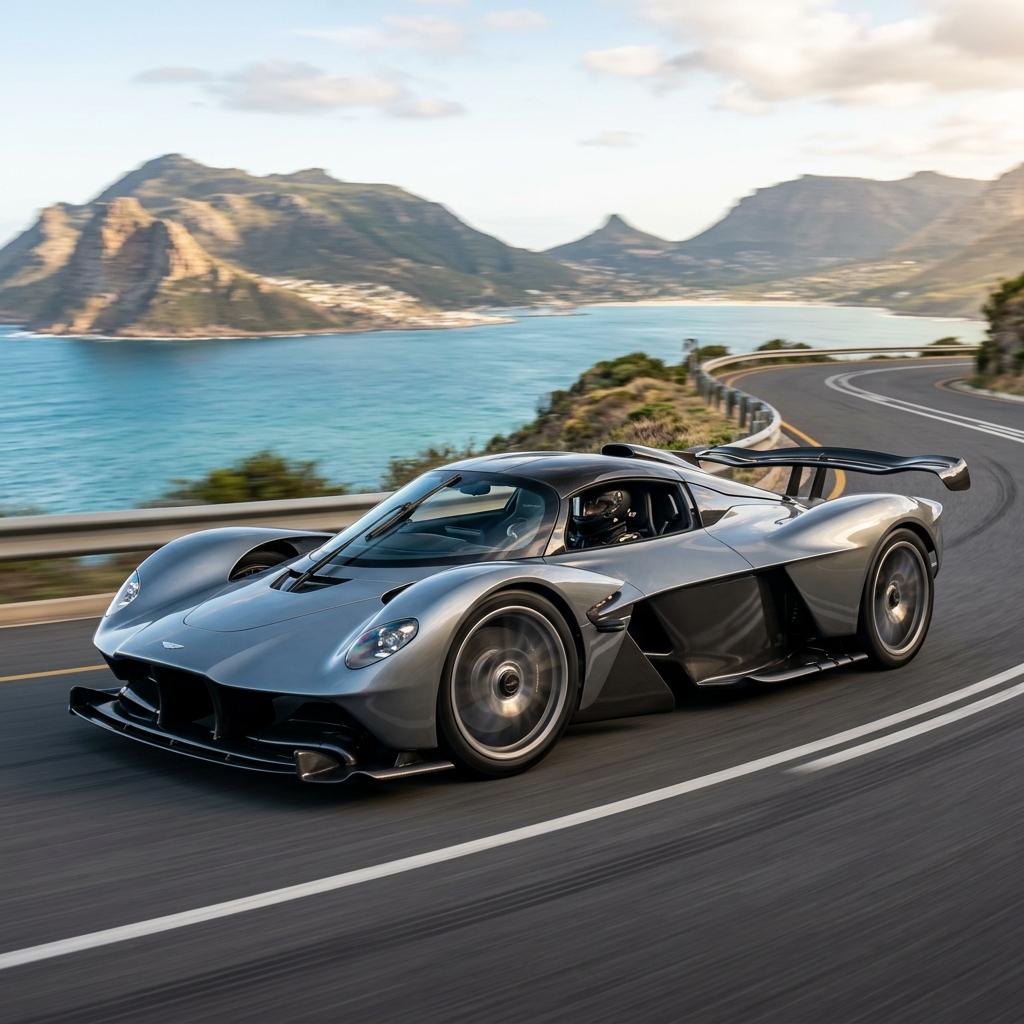
Adrian Newey designed the Valkyrie with one goal: deliver Formula 1 performance to public roads.
Adrian Newey, the legendary Formula 1 aerodynamicist whose Red Bull-designed cars have won numerous World Championships, set out to design the closest thing to a Formula 1 car that could legally drive on public roads. The result is the Aston Martin Valkyrie, a 1,160 horsepower hypercar combining a naturally aspirated 6.5-litre V12 revving to 11,000 rpm with sophisticated electric assistance and aerodynamic systems derived directly from Newey's racing experience. The Valkyrie represents perhaps the most ambitious production hypercar ever attempted, blurring the boundaries between road cars and racing prototypes in ways that no previous vehicle has matched.
The Adrian Newey Vision
Adrian Newey's role as chief technical officer at Red Bull Racing has produced some of Formula 1's most successful cars across multiple decades. His various championship-winning designs including the Red Bull RB6, RB7, RB8, RB9, RB18, and RB19 demonstrated his exceptional aerodynamic engineering capability across different regulatory eras. The basic Valkyrie project represented Newey's opportunity to apply his Formula 1 engineering principles to a road car application without conventional regulatory constraints.
The basic Valkyrie collaboration involved Aston Martin providing the brand identity and various commercial elements, Red Bull Advanced Technologies providing engineering capability through the various engineering relationships, and Adrian Newey providing the basic conceptual leadership. Various other engineering organizations including Cosworth (engine development) and Rimac Automobili (electric system development) provided additional specialized capabilities necessary for the comprehensive engineering effort.
The basic project objectives included creating a road car that could deliver lap times approaching purpose-built racing prototypes while remaining legally usable on public roads. The combination of these objectives required substantial engineering innovation across virtually every vehicle system. Various design and engineering decisions reflected the basic priorities established by Newey's vision for the project.
The 6.5-Litre V12 Engine
The Valkyrie's 6.5-litre naturally aspirated V12 engine, developed by Cosworth specifically for the Valkyrie application, represents perhaps the most ambitious naturally aspirated production engine ever created. The basic engine produces 1,000 horsepower at 10,500 rpm with the redline set at 11,100 rpm. The combination of substantial peak power and exceptional rev capability creates engine character unlike anything else in current production.
Various specific engineering elements distinguish the Cosworth V12 from various other production engines. The basic dry-sump lubrication system enables the engine to be mounted lower in the chassis while supporting the high g-loads generated by the chassis dynamics. The basic individual throttle bodies provide sharp throttle response that turbocharged alternatives cannot match. Various other engineering elements optimize the engine for racing-derived performance characteristics.
The basic engine sound represents another significant element of the Valkyrie's character. The high-revving naturally aspirated V12 produces sound character that reviewers have compared to Formula 1 race engines. The basic combination of mechanical music and exceptional power delivery creates emotional appeal that turbocharged or hybrid alternatives cannot replicate.
The Hybrid System Integration
While the Cosworth V12 produces 1,000 horsepower, the basic Valkyrie powertrain combines the engine with a Rimac-developed electric motor and battery system to produce total combined output of 1,160 horsepower. The basic hybrid system serves multiple functions including additional power delivery, efficient powertrain operation under various conditions, and various other benefits that justify the additional system complexity.
The basic electric motor provides immediate torque delivery during initial acceleration, supplementing the V12's high-rpm power character with the strong low-rpm response that internal combustion engines cannot match. The basic combination provides power delivery characteristics that combine the best of both naturally aspirated and electric powertrain technologies.
The basic 1.8 kWh battery system represents a relatively small capacity compared to plug-in hybrid alternatives, reflecting the system's primary purpose of performance enhancement rather than electric-only driving. The basic battery enables short bursts of electric assistance rather than extended electric operation. This approach optimizes the basic system weight and complexity for the specific performance applications.
Aerodynamic Engineering
The Valkyrie's aerodynamic engineering represents perhaps its most distinctive feature. The basic underbody features extensive Venturi tunnels that generate substantial downforce through ground effect, similar to Formula 1 cars. The basic combination of underbody aerodynamics and various other aerodynamic elements generates downforce levels comparable to dedicated racing prototypes despite the road car configuration.
Various specific aerodynamic features include the basic active rear wing, sophisticated front diffuser arrangement, and various other elements. The basic combination of passive and active aerodynamic elements provides downforce that adjusts based on driving conditions, optimizing performance across different speed ranges and driving requirements.
The basic aerodynamic configuration enables cornering capability that conventional production cars cannot approach. Various reports indicate that the Valkyrie can sustain cornering forces exceeding 4g in appropriate conditions, levels that approach Formula 1 capabilities. The basic combination of substantial downforce and lightweight chassis construction supports these extreme cornering capabilities.
The Cockpit and Interior
The Valkyrie's cockpit reflects its racing-derived character with various unconventional design and engineering decisions. The basic two-seat configuration includes substantially reclined seating positions similar to Formula 1 cars, with the driver and passenger essentially lying down with feet elevated above the hip level. This basic seating geometry reduces the vehicle's frontal area, supporting the aerodynamic optimization throughout the design.
Various specific interior elements include the basic detachable steering wheel (allowing easier driver entry and exit through the small cockpit opening), the digital instrument display showing essential information, and various other elements. The basic interior emphasizes function over conventional luxury, with materials and finishes selected for both weight reduction and racing-derived aesthetic.
The basic cockpit access represents a significant practical challenge. The basic combination of low ride height, compact dimensions, and various aerodynamic elements creates entry and exit procedures that require substantial agility from drivers and passengers. Various reports describe the basic ingress and egress as challenging even for experienced sports car owners.
Production and Variants
Aston Martin limited Valkyrie production to 150 coupe examples and 85 spider variants. Production began in 2021 after substantial development delays, with deliveries continuing through subsequent years. The basic pricing of approximately 3 million British pounds for the coupe positioned the Valkyrie firmly in the most exclusive hypercar segment.
Various additional Valkyrie variants extend the basic platform into different applications. The Valkyrie AMR Pro, of which 40 examples were produced, represents the track-only variant with various performance enhancements including increased power output, more extreme aerodynamics, and various other modifications. The basic Pro variant essentially eliminates road-legal compromises in favor of pure track performance.
The Valkyrie AMR LM is an additional limited variant developed in conjunction with the basic Valkyrie's planned Le Mans Hypercar racing program. The basic LM variant features various racing-specific modifications while maintaining substantial commonality with the basic road car platform. Production of these various Valkyrie variants represents Aston Martin's most ambitious vehicle development program in recent decades.
The Racing Connection
The Valkyrie was originally developed alongside plans for a Le Mans Hypercar racing program. Aston Martin had announced commitment to competing at Le Mans with a Valkyrie-based prototype in the planned LMH category. Various corporate decisions and changing priorities led to substantial delays and modifications to these original racing plans.
Aston Martin subsequently confirmed plans to compete in the LMH category beginning with the 2025 World Endurance Championship season. The basic Valkyrie LMH racing variant retains substantial connection with the road car while incorporating various racing-specific modifications necessary for competition use. The basic racing program represents Aston Martin's return to top-level Le Mans competition after multiple decades of absence.
The basic combination of road car and racing variants creates engineering relationships that benefit both applications. Various racing-derived improvements may be applied to subsequent road car variants, while various road car engineering provides the foundation for the racing program. This relationship reflects the basic Valkyrie philosophy of blurring boundaries between road and racing applications.
The Driving Experience
Various reports from owners and journalists who have driven Valkyries describe an experience unlike any other production vehicle. The basic combination of extreme performance capability, racing-derived ergonomics, and various other characteristics creates driving experiences that approach Formula 1 car driving in many respects.
The basic V12 sound character at high engine speeds particularly distinguishes the Valkyrie from any other production vehicle. The basic combination of naturally aspirated character, exceptional rev capability, and various other elements creates audio experiences that reviewers describe as approaching racing car character.
The basic chassis dynamics provide handling capabilities that demand exceptional driver skill to fully exploit. The combination of substantial downforce, lightweight construction, and racing-derived geometry creates a vehicle that rewards expert driving but punishes inexperience. Various reports suggest that even experienced supercar owners require substantial adaptation periods to drive the Valkyrie effectively.
Why the Valkyrie Matters
The Aston Martin Valkyrie matters because it represents perhaps the closest production approach ever to delivering Formula 1 performance and character in a road-legal vehicle. The basic combination of Adrian Newey's engineering vision, Cosworth's V12 engine development, and various other specialized engineering creates a vehicle that establishes new boundaries for production hypercar development.
For the broader hypercar industry, the Valkyrie demonstrates engineering ambitions that establish new benchmarks. Various subsequent hypercars from various manufacturers may incorporate engineering principles refined through Valkyrie development, although matching the basic Valkyrie's complete combination of characteristics remains exceptionally challenging.
Frequently Asked Questions
Who designed the Aston Martin Valkyrie? Adrian Newey designed the Valkyrie's basic concept and engineering approach. Newey is the legendary Formula 1 aerodynamicist responsible for various championship-winning Red Bull Racing designs.
What engine powers the Aston Martin Valkyrie? The Valkyrie uses a 6.5-litre naturally aspirated V12 developed by Cosworth specifically for the application. The engine produces 1,000 horsepower at 10,500 rpm with redline at 11,100 rpm. Combined with the hybrid system, total output reaches 1,160 horsepower.
How many Aston Martin Valkyries will be built? Production includes 150 coupe examples, 85 spider variants, 40 AMR Pro track-only variants, and various Le Mans Hypercar racing variants for the planned competition program.
How much does an Aston Martin Valkyrie cost? The basic Valkyrie coupe sold for approximately 3 million British pounds, with various option packages and special variants extending pricing higher.
Can the Valkyrie be driven on public roads? Yes, the standard Valkyrie coupe and spider variants are road-legal in most jurisdictions, although the basic ergonomics and performance characteristics make road driving challenging compared to conventional alternatives. The Valkyrie AMR Pro is track-only and not road-legal.
Marcus Gear
Marcus Gear is a contributing writer for Primedealsearch, bringing refined insights and expertise to our readers.