Honda S2000: The 9,000 RPM Roadster
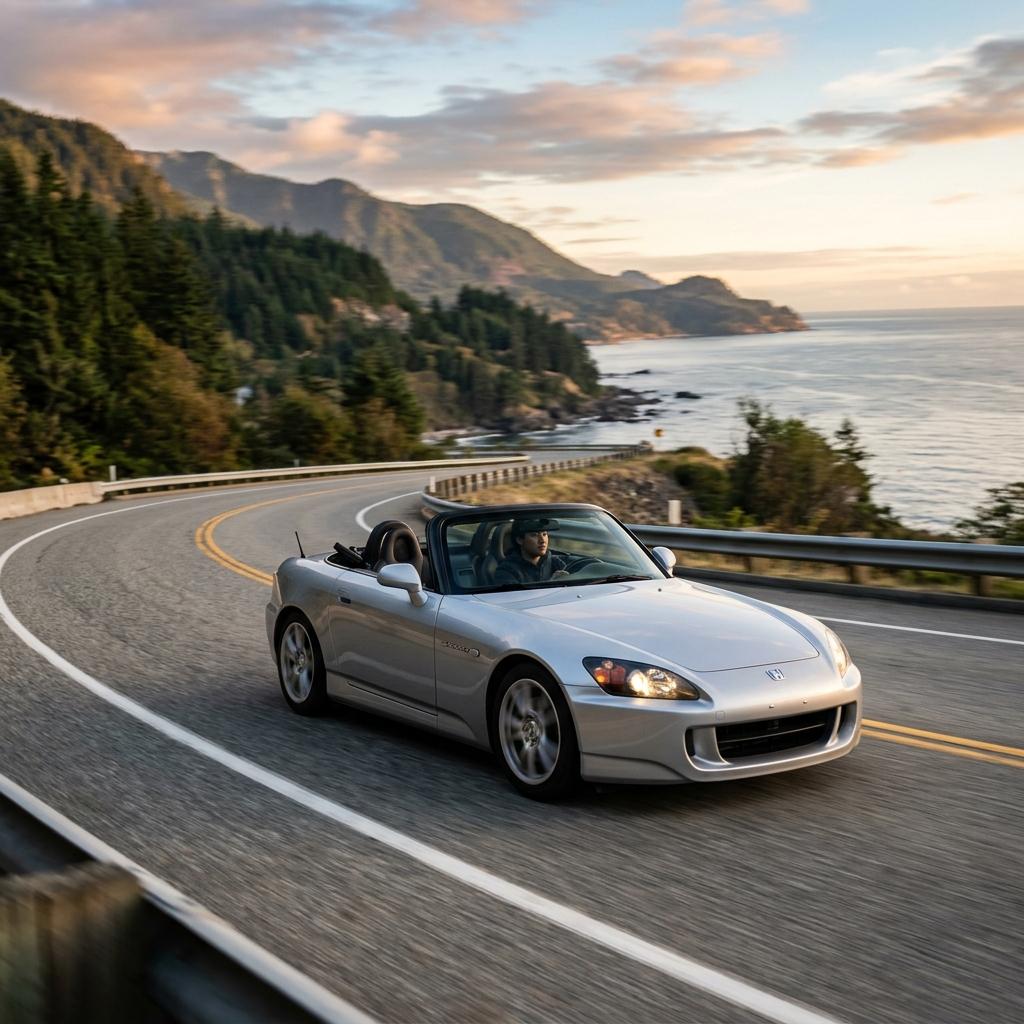
Honda built the S2000 to celebrate its 50th anniversary, and produced one of the most ferociously high-revving production engines ever made.
Honda built the S2000 to celebrate its 50th anniversary in 1999, and produced what may be the most ferociously high-revving production engine ever offered for sale. The F20C 2.0-litre four-cylinder engine produces 240 horsepower at 8,300 rpm with the redline set at 9,000 rpm, achieving specific output of 120 horsepower per litre that few naturally aspirated production engines have matched before or since. Combined with a lightweight rear-wheel drive chassis weighing approximately 1,260 kilograms and a six-speed manual transmission with extraordinarily short gear ratios, the S2000 created driving experiences unlike anything else in the affordable sports car segment.
The 50th Anniversary Project
Honda's basic decision to develop the S2000 reflected various corporate considerations including the company's 50th anniversary in 1999, various market opportunities in the affordable sports car segment, and various other factors. The basic project objectives included creating a vehicle that demonstrated Honda's engineering capabilities while honoring the company's heritage of producing distinctive performance vehicles.
The basic project name S2000 referenced the original Honda S500, S600, and S800 sports cars from the 1960s. These basic original Honda sports cars had established the company's basic ability to produce small, high-revving sports cars that competed with established alternatives despite Honda's then-modest scale. The basic S2000 nameplate reflected explicit corporate intent to honor this heritage while applying contemporary engineering capabilities.
The basic development period was substantial, with engineers working extensively to optimize various specific elements of the vehicle. The basic combination of high-revving engine character, rear-wheel drive chassis layout, and various other elements required substantial engineering iteration to achieve appropriate balance and refinement. The resulting vehicle represented one of Honda's most ambitious sports car projects.
The F20C Engine: A Masterpiece
The basic F20C 2.0-litre four-cylinder engine represents the centerpiece of the basic S2000 character. Honda engineers developed the basic engine specifically for the S2000 application, with various engineering decisions optimized for the basic high-revving performance character that distinguishes the vehicle from various competitor alternatives.
Various specific engineering elements contribute to the basic F20C's exceptional rev capability. The basic short-stroke configuration (84mm bore by 90mm stroke) provides the basic mechanical foundation for high-rpm operation. The basic VTEC variable valve timing system provides aggressive cam timing at high rpm with more conservative timing at lower engine speeds. Various other elements including the basic forged steel crankshaft, lightweight reciprocating components, and sophisticated valve train optimization support the basic high-revving character.
The basic F20C produces peak power of 240 horsepower at 8,300 rpm in original AP1 specification, with the redline set at 9,000 rpm. The basic specific output of 120 horsepower per litre represents extraordinary engineering achievement for a naturally aspirated production engine. Few production engines in any era have matched this basic specific output without forced induction assistance.
The basic engine sound character at high rpm represents another distinctive element. The basic combination of high-revving four-cylinder character, sophisticated intake and exhaust system tuning, and various other elements creates audio experiences that reviewers consistently described as among the most engaging produced by any naturally aspirated production engine.
The AP1 Generation (1999-2003)
The basic AP1 generation S2000 used the F20C engine with various specific characteristics that distinguish it from the subsequent AP2 generation. The basic peak torque of 153 lb-ft arrived at 7,500 rpm, requiring drivers to maintain high engine speeds to access the basic full performance capability. The basic gear ratios in the six-speed manual transmission were extremely short, optimizing the basic acceleration character but providing relatively low cruising speeds in top gear.
Various AP1 chassis characteristics emphasized basic driving engagement over conventional comfort considerations. The basic suspension tuning provided sharp handling response that demanded experienced drivers to fully exploit. The basic combination of relatively soft suspension settings, lightweight construction, and various other elements created handling characteristics that some reviewers described as challenging at the limit.
The basic AP1 production from 1999 to 2003 established the S2000's reputation as one of the most engaging affordable sports cars available. Various automotive media reviews consistently praised the basic engine character and chassis dynamics while acknowledging the various challenges that demanded substantial driver commitment to fully appreciate.
The AP2 Generation (2004-2009)
The basic AP2 generation S2000, introduced in 2004, addressed various AP1 characteristics that some customers and reviewers had identified as concerns. The basic engine evolved to 2.2-litre F22C1 specification (in North American and various other markets, with continued F20C use in Japan and various other markets). The basic torque output increased to 162 lb-ft, with peak torque arriving at 6,500 rpm rather than 7,500 rpm.
The basic AP2 chassis received various refinements including modified suspension geometry, larger wheel and tire sizes, and various other improvements. The basic combination of these refinements created handling characteristics more accessible to typical drivers while maintaining substantial engagement for experienced drivers. Various reviewers preferred the basic AP2's more refined character, while other reviewers preferred the basic AP1's more focused engagement.
Various specific AP2 styling elements distinguished the basic generation from the AP1 predecessors. The basic combination of revised front fascia, modified rear treatment, and various other refinements created more distinctive appearance while maintaining the essential S2000 character.
The CR (Club Racer) Variant
The basic Club Racer (CR) variant, available in 2008 and 2009, represented the most extreme S2000 specification available in North American markets. The basic CR included various modifications optimized for circuit performance including stiffer suspension settings, lighter wheels, removed sound insulation, deleted radio, and various other features that reduced weight while improving track capability.
The basic CR pricing matched standard S2000 specifications, demonstrating Honda's commitment to providing performance enhancements without commercial premium. Various customers who appreciated the basic CR's focused character provided strong sales response, although total CR production remained limited due to various corporate decisions and the broader S2000's planned discontinuation.
End of Production and Legacy
Honda ended S2000 production in 2009 due to various market and corporate factors. The basic combination of declining sports car sales generally, changing emissions and safety regulations, and various other factors made continued S2000 production commercially challenging. Various subsequent reports indicated that Honda had considered various successor projects without committing to specific development.
The basic S2000's discontinuation generated substantial enthusiast disappointment. Various petitions and customer requests for continuation or replacement received corporate acknowledgment but no immediate development commitment. The basic vehicle's reputation as one of the most engaging affordable sports cars created strong continued demand that subsequent Honda product offerings could not directly address.
The Tuning Culture
The basic S2000 has supported one of the most active tuning communities of any Japanese sports car. The basic F20C/F22C1 engine accepts modifications well, with relatively simple changes producing 280-320 horsepower and more substantial work supporting 400+ horsepower with appropriate engineering investment. The basic chassis architecture provides foundation for various performance modifications including suspension upgrades, brake improvements, and aerodynamic enhancements.
Professional drift competitors have used basic S2000 platforms extensively, with various drivers including Daijiro Yoshihara, Vaughn Gittin Jr, and various others competing successfully in modified S2000s. The basic combination of rear-wheel drive layout, balanced chassis, and tunable engine creates an attractive platform for various professional motorsport applications.
Various aftermarket support continues actively for basic S2000 modifications across multiple decades after production ended. The basic combination of strong enthusiast community and continued aftermarket investment supports ongoing platform development that few other production vehicles can match.
Current Collector Status
The basic S2000 has experienced substantial value appreciation over the past decade. The basic AP1 examples in good condition typically sell for 25,000 to 50,000 dollars in current markets. The basic AP2 examples typically sell for 30,000 to 60,000 dollars. The basic CR variants regularly sell for 60,000 to 100,000 dollars or more depending on condition and originality.
The basic combination of limited total production (110,673 examples worldwide), enduring enthusiast appeal, and the various basic sports car characteristics that made the original S2000 distinctive supports continued value appreciation. Various low-mileage original examples particularly command substantial premiums in current collector markets.
Why the S2000 Matters
The Honda S2000 succeeded because it demonstrated that engineering excellence focused on specific priorities could produce genuinely distinctive vehicles. The basic combination of high-revving naturally aspirated engine, lightweight chassis, and uncompromising commitment to driving engagement created experiences that few competitor vehicles could match across the basic production lifetime.
For enthusiasts who appreciate engine character and driver engagement over absolute performance metrics, the basic S2000 represents perhaps the purest expression of the affordable sports car concept ever produced. The basic 9,000 rpm naturally aspirated character may never be repeated in production vehicles given current emissions and customer preference trends, making the basic S2000 increasingly significant as automotive history.
Frequently Asked Questions
What is the redline of the Honda S2000 engine? The basic AP1 generation F20C engine has a 9,000 rpm redline, while the basic AP2 generation F22C1 engine has an 8,200 rpm redline. The basic F20C represents one of the highest-revving naturally aspirated production engines ever offered.
What is the difference between AP1 and AP2 S2000? The basic AP1 generation (1999-2003) used the basic F20C 2.0-litre engine with peak power at 8,300 rpm. The basic AP2 generation (2004-2009) used the larger F22C1 2.2-litre engine in North American and various other markets, with improved low-rpm torque but slightly lower peak rpm.
Did Honda continue making the S2000 after 2009? No. Honda ended S2000 production in 2009 with no direct successor announced. Various subsequent Honda performance vehicles including the NSX have addressed different market segments without directly replacing the basic S2000.
How much does a Honda S2000 cost today? The basic AP1 examples in good condition typically sell for 25,000 to 50,000 dollars. The basic AP2 examples typically sell for 30,000 to 60,000 dollars. The basic CR variants regularly sell for 60,000 to 100,000 dollars depending on condition.
Is the S2000 reliable? Generally yes, when properly maintained with appropriate engine oil change intervals and various other maintenance procedures. The basic F20C/F22C1 engines have demonstrated good long-term reliability when maintained appropriately, though basic high-revving operation does require attention to maintenance procedures.
Kenji Sato
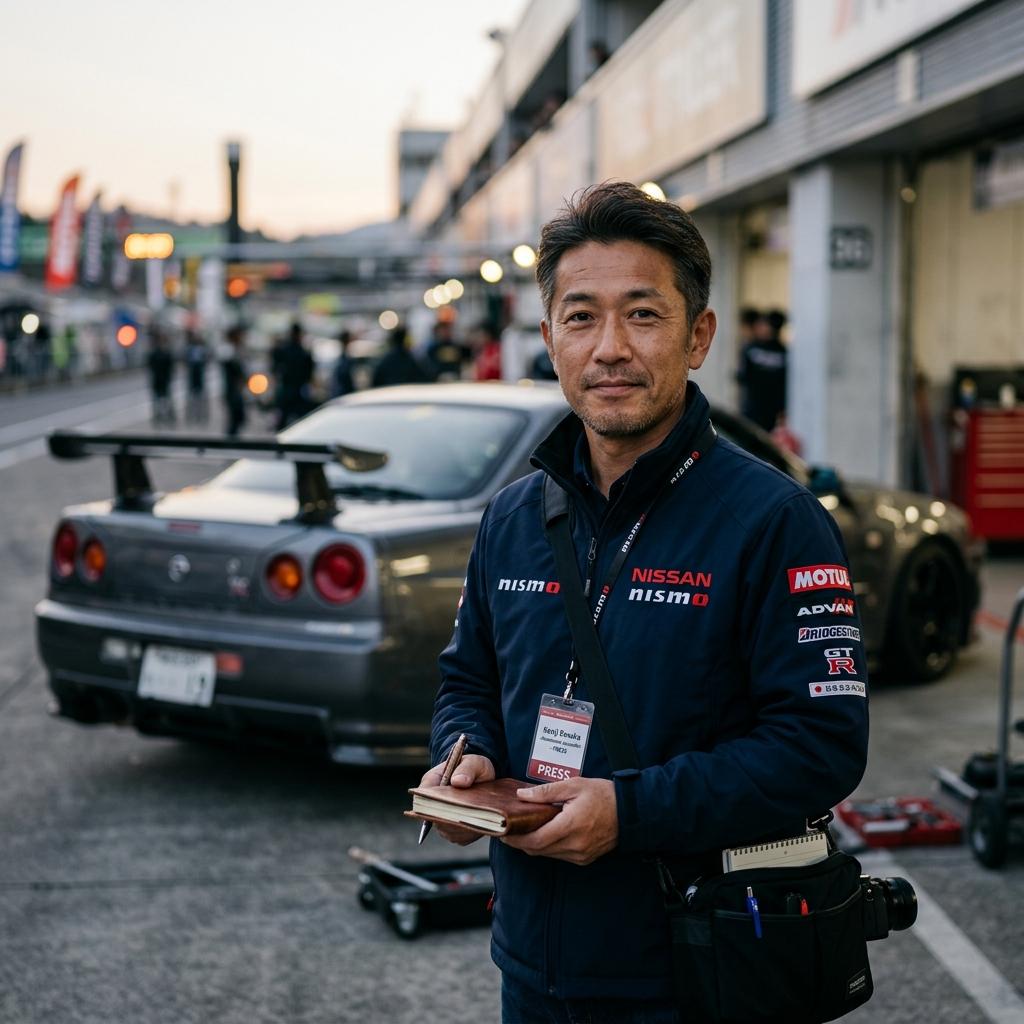
Kenji Sato is a contributing writer for Primedealsearch, bringing refined insights and expertise to our readers.