Lexus LFA: The 4.8-Litre V10 Masterpiece

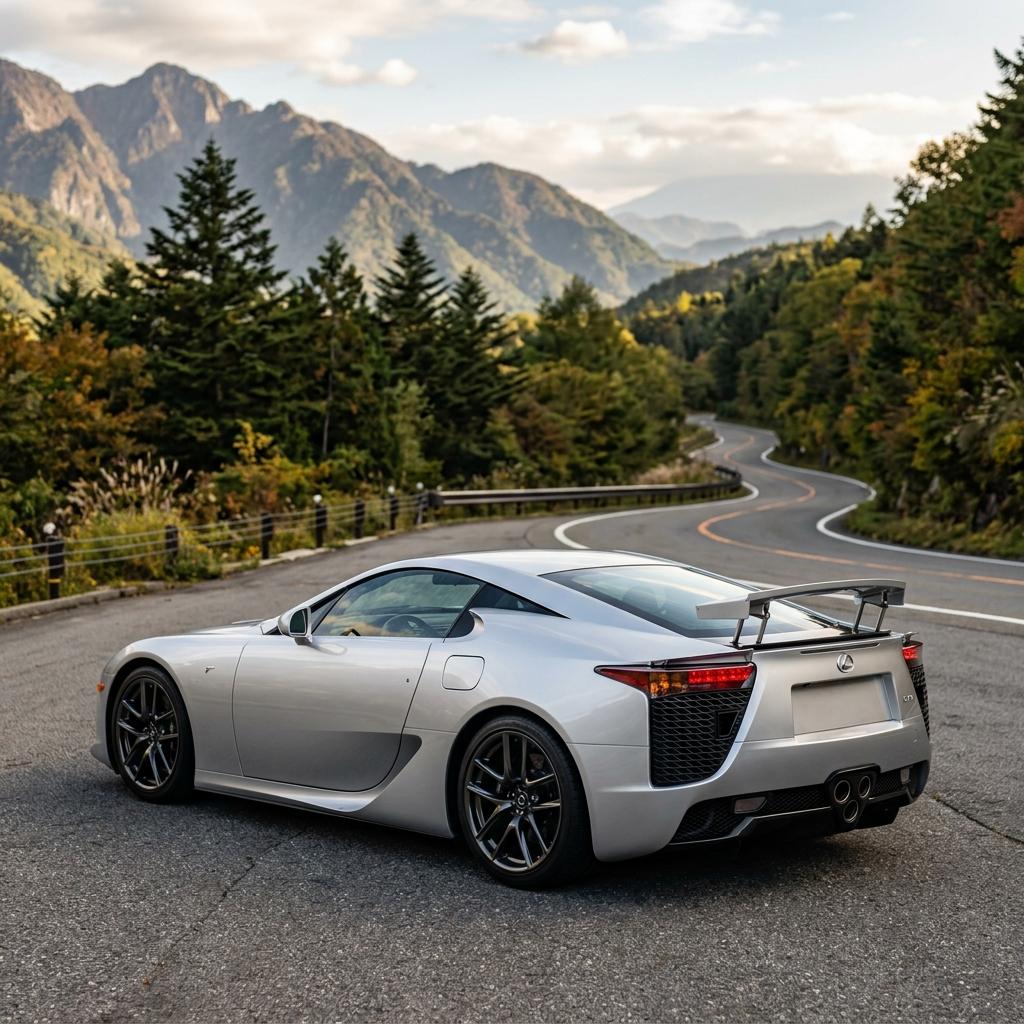
Toyota spent a decade developing the LFA — a Yamaha-tuned V10 masterpiece that proved Japanese could match Italian exotics.
Toyota spent a decade developing the Lexus LFA, and the result was a supercar unlike anything Japan had produced before or since. The 4.8-litre V10 engine, developed in collaboration with Yamaha, produces 552 horsepower and revs to 9,000 rpm with a soundtrack that reviewers consistently described as among the most beautiful in any production vehicle. The all-carbon fiber chassis, single-clutch automated manual transmission, and various other engineering elements created a vehicle that competed effectively with established European supercar manufacturers despite Toyota's relative inexperience in this market segment. Limited to just 500 examples produced between 2010 and 2012, the LFA stands as perhaps the most ambitious Japanese supercar ever attempted.
The Decade-Long Development
The LFA project began in 2000 as the LF-A development program, with Toyota engineers exploring whether the company could compete in the supercar segment dominated by Ferrari, Lamborghini, and various other established European manufacturers. The basic project initially considered aluminum chassis construction with a V10 engine derived from Toyota's various other engine developments. Various initial prototypes used these basic specifications.
A major project change occurred in 2005 when Toyota engineers decided to abandon aluminum chassis construction in favor of carbon fiber composite construction. The basic decision required scrapping substantial development progress and essentially restarting the chassis engineering. While this change extended the development timeline by years, it provided substantial weight and rigidity improvements that the original aluminum chassis could not match.
Various other engineering decisions throughout the project reflected similar commitment to engineering excellence over development efficiency. The basic transmission selection between dual-clutch automated and single-clutch automated manual configurations involved extensive evaluation. Various engine configuration decisions required iterative refinement. The basic combination of thorough engineering with extended development timeline produced a vehicle of exceptional refinement that more rushed alternatives could not match.
The Yamaha-Developed V10 Engine
The LFA's 1LR-GUE 4.8-litre V10 engine represents perhaps the most distinctive element of the basic vehicle. Developed in collaboration with Yamaha (whose musical instrument expertise contributed to the basic engine sound development), the V10 produces 552 horsepower at 8,700 rpm with the redline set at 9,000 rpm. The basic combination of substantial peak power and exceptional rev capability creates engine character unlike anything else from Toyota.
Various specific engineering elements distinguish the V10 from various other production engines. The basic 72-degree V configuration provides primary balance characteristics ideal for high-revving applications. The basic dry-sump lubrication system enables low engine mounting position and supports high g-loads. Various other elements including the basic individual throttle bodies, sophisticated valve train, and various other features optimize the engine for high-performance applications.
The basic engine sound represents perhaps its most celebrated characteristic. Various automotive media reviews consistently describe the LFA's sound as among the most beautiful produced by any production vehicle. The basic combination of mechanical music, exceptional rev character, and various other elements creates audio experiences that reviewers compare to musical instruments rather than mechanical devices. Yamaha's involvement in the basic sound engineering reportedly contributed substantially to this distinctive character.
The Carbon Fiber Chassis
The LFA's carbon fiber composite chassis represents one of the most ambitious applications of carbon fiber construction in any production vehicle. The basic chassis includes carbon fiber reinforced plastic structural elements throughout the vehicle, with various aluminum and other materials integrated where appropriate. The basic combination provides exceptional structural rigidity at reduced weight compared to alternative construction methods.
Toyota built specific manufacturing facilities for the LFA carbon fiber production at the Motomachi factory. The basic facility uses both autoclave-cured prepreg carbon fiber for various structural components and resin-transfer molding for various other components. The basic combination of manufacturing technologies provides flexibility to optimize each component for its specific structural requirements.
The basic chassis manufacturing process required substantial investment in specialized equipment and worker training. Various reports indicate that LFA chassis production required approximately three weeks per vehicle, with substantial hand-craftsmanship at various production stages. The basic combination of substantial manufacturing investment with relatively low production volume contributed to the vehicle's substantial production cost.
The Single-Clutch Transmission
The LFA uses a six-speed single-clutch automated manual transmission, an unusual choice given that most contemporary supercars use dual-clutch transmissions. Toyota engineers selected the basic single-clutch configuration after extensive evaluation, citing various reasons including reduced weight, improved mechanical character, and various other factors. The basic decision generated some criticism from automotive journalists who preferred the dual-clutch alternatives.
The basic single-clutch transmission requires more aggressive shift programming to provide acceptable shift quality. The basic shift speed in the most aggressive setting (one of seven available shift speed configurations) reaches 0.2 seconds, comparable to various dual-clutch alternatives. The basic shift character includes the mechanical sensation of clutch engagement that various enthusiasts prefer over the smoother dual-clutch alternatives.
Whether the basic single-clutch decision was ultimately correct remains debated among LFA enthusiasts and reviewers. Various opinions suggest that dual-clutch alternatives would have provided smoother daily driving while losing some of the basic mechanical character that distinguishes the LFA from various competitors. Toyota's basic engineering rationale for the single-clutch selection was thoroughly documented and reflects deliberate engineering decisions rather than commercial compromises.
The Iconic Tachometer
The LFA's instrument cluster features a unique digital tachometer that became one of the vehicle's most distinctive features. The basic tachometer displays engine speed through a digital LCD display that updates with sufficient speed to accurately represent the V10's exceptional rev capability. The basic combination of digital display technology and visual design creates an instrument unlike anything else in current production vehicles.
The specific reason for the basic digital tachometer involves the V10 engine's exceptional rev acceleration. The basic engine can rev from idle to redline so quickly that conventional analog tachometer needles cannot accurately track the engine speed changes. The basic digital display can update at substantially higher rates, providing accurate engine speed indication across the basic V10's exceptional rev range.
Various other instrument cluster elements include sophisticated configurable display options that provide different information presentations for different driving conditions. The basic combination of instrument cluster engineering with the various other LFA features reflects the comprehensive engineering investment that Toyota committed to the project.
The Nürburgring Edition
Toyota produced 50 examples of the LFA Nürburgring Edition, which represented the most extreme variant of the basic LFA platform. The basic Nürburgring Edition included various performance enhancements including 19 additional horsepower (raising total output to 571 horsepower), various aerodynamic improvements, modified suspension geometry, lighter wheels, and various other modifications optimized for circuit performance.
The basic Nürburgring Edition achieved a Nürburgring Nordschleife lap time of 7:14, demonstrating competitive performance against various established European supercar alternatives. The basic combination of refined engineering and various performance optimizations created a variant capable of competing with various more powerful alternatives.
All 50 Nürburgring Edition examples sold immediately upon announcement at substantially higher prices than the basic LFA. The basic combination of limited production, validated performance, and exclusive specification supports continued strong values for these special variants in current collector markets.
Production Numbers and Pricing
Toyota produced exactly 500 LFA examples between 2010 and 2012, including 50 Nürburgring Edition variants and 450 standard examples. The basic production was distributed across various international markets with no single market receiving substantial allocation. Various individual customers in different countries received specific examples based on order timing and various other factors.
The basic LFA pricing of approximately 375,000 dollars in the United States (with various option packages and the Nürburgring Edition extending pricing higher) generated some controversy regarding the basic value proposition. Various automotive critics questioned whether the basic LFA justified the substantial pricing relative to various established European competitors offering comparable specifications.
The basic Toyota production cost reportedly substantially exceeded the basic retail pricing, suggesting that the basic LFA represented a strategic engineering investment rather than a profitable commercial product. Toyota's basic decision to absorb substantial losses on the LFA program reflects the basic strategic value of demonstrating the company's engineering capability rather than achieving direct commercial returns.
The Akio Toyoda Connection
Akio Toyoda, Toyota's CEO during the LFA development period, personally championed the project throughout its various development challenges. Toyoda's basic personal commitment to the LFA program reflects his general advocacy for performance vehicles within Toyota's broader product strategy. The basic combination of executive commitment and substantial corporate resources enabled the project to continue through various development challenges that might have led other organizations to terminate the project.
Various Toyoda statements throughout the LFA development period emphasized the basic strategic value of demonstrating Toyota's engineering capability through the LFA program. The basic ambition included establishing credibility for various subsequent Toyota performance vehicle projects including the GR Yaris, GR Corolla, GR Supra, and various other vehicles that subsequently emerged from Toyota's renewed focus on performance vehicles.
Toyoda's continued personal involvement with various Toyota performance vehicle projects reflects the basic LFA program's success in establishing performance vehicle credibility within Toyota corporate culture. Various subsequent Toyota performance vehicles benefit from the engineering culture and customer relationships established through the LFA program.
Why the LFA Matters
The Lexus LFA matters because it demonstrates that Japanese engineering excellence can compete with established European supercar manufacturers when given appropriate corporate commitment and resources. The basic combination of decade-long development, substantial engineering investment, and various other elements created a vehicle that established Japanese supercar credentials at the highest levels.
For enthusiasts who appreciate engineering substance and craftsmanship over conventional supercar marketing, the LFA represents perhaps the most authentic Japanese expression of supercar engineering ever produced. The basic combination of Yamaha-developed V10 engine, carbon fiber chassis construction, and various other elements creates a vehicle that few alternatives can match in terms of comprehensive engineering achievement.
Frequently Asked Questions
How many Lexus LFAs were built? Toyota produced exactly 500 LFA examples between 2010 and 2012, including 50 Nürburgring Edition variants and 450 standard examples.
Who developed the LFA's V10 engine? Yamaha collaborated with Toyota on the LFA's 1LR-GUE V10 engine development, including specific contributions to the basic engine sound character. Yamaha's musical instrument expertise reportedly contributed substantially to the engine's distinctive sound.
Why does the LFA use a single-clutch transmission? Toyota engineers selected the single-clutch automated manual transmission after extensive evaluation, citing various reasons including reduced weight, improved mechanical character, and various other factors. The basic decision generated some criticism but reflects deliberate engineering rationale rather than cost considerations.
How much does a Lexus LFA cost today? Standard LFA examples in good condition typically sell for 700,000 to 1,000,000 dollars in current collector markets. The Nürburgring Edition variants regularly exceed 1.2 million dollars at major auctions.
Will Lexus make another supercar? Lexus has announced various performance vehicle development programs including the upcoming LFR (informal designation for the planned LFA successor). Various concept vehicles and engineering announcements suggest that Lexus may produce additional supercar variants in subsequent years.
Alex Driver
Alex Driver is a contributing writer for Primedealsearch, bringing refined insights and expertise to our readers.