The Senna Tribute: McLaren Senna Hypercar
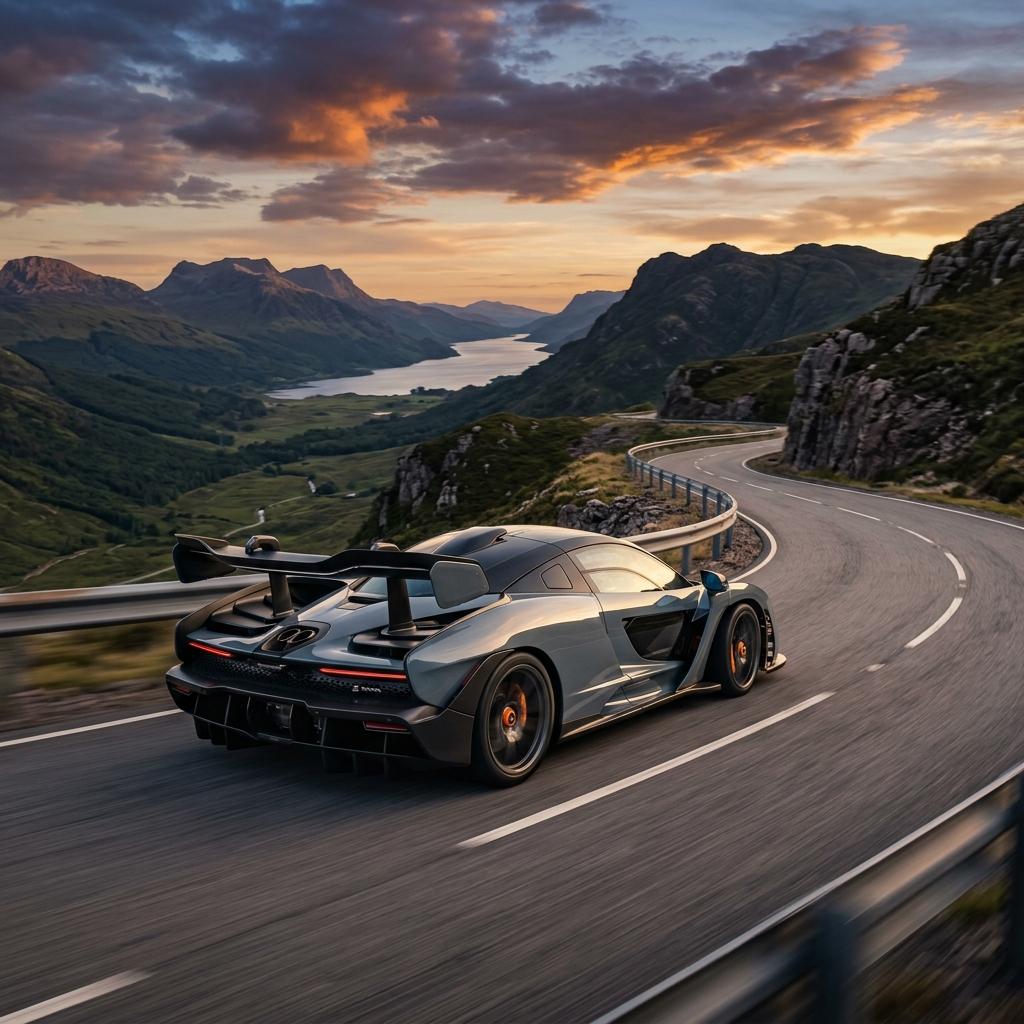
Named after the greatest racing driver in history, the McLaren Senna prioritizes lap time above all else.
When McLaren Automotive decides to name a hypercar after Ayrton Senna—arguably the greatest, most uncompromising, and most revered Formula 1 driver in history—they accept a monumental responsibility. The car bearing his name could not simply be a fast grand tourer or a stylish status symbol; it had to be a ruthless, uncompromising, track-focused weapon. Unveiled in 2018 as part of McLaren's 'Ultimate Series', the McLaren Senna is exactly that. It is a visually challenging, aerodynamically obsessive masterpiece designed to do one thing better than any other road-legal car: set blistering lap times.
Form Follows Function
Upon its debut, the design of the McLaren Senna was highly polarizing. It lacks the flowing, elegant curves of the McLaren P1 or the sleek grace of a Ferrari. Instead, it looks like a collection of aggressive aerodynamic appendages bolted onto a carbon fiber tub.
This is because the Senna is the ultimate manifestation of the design philosophy "form follows function." Every single vent, louvre, gurney flap, and wing exists for a specific aerodynamic purpose. The car was sculpted entirely in the wind tunnel. The result is a machine that generates a mind-bending 800 kilograms (1,763 lbs) of aerodynamic downforce at 155 mph (250 km/h). The massive, active rear wing, top-mounted via swan necks, constantly adjusts its angle to maximize cornering grip or act as an air brake under heavy deceleration.
Aggressive Aerodynamics
The aerodynamic trickery isn't just limited to the rear wing. The Senna features active aero blades hidden inside the front air intakes. These blades constantly adjust alongside the rear wing to maintain perfect aerodynamic balance. If the rear wing sheds drag on a straightaway, the front blades adjust to prevent the front end from becoming overly sensitive.
The doors uniquely feature an optional lower glass panel, allowing the driver to see the apex of a corner rushing past at ground level. This obsessive focus on airflow ensures the Senna remains planted to the tarmac at speeds that would cause lesser supercars to take flight.
The 4.0L Twin-Turbo V8
Powering this aerodynamic weapon is a heavily revised version of McLaren's M840TR engine—a 4.0-liter, twin-turbocharged, flat-plane crank V8. It produces an immense 789 horsepower (800 PS) and 590 lb-ft of torque.
Crucially, the Senna does not utilize a heavy hybrid system like the P1. McLaren opted to keep the car as light as possible. Thanks to the MonoCage III carbon fiber monocoque and the obsessive use of lightweight materials throughout (the front fenders weigh just 1.4 lbs each), the Senna weighs a mere 1,198 kg (2,641 lbs) dry. This gives it a staggering power-to-weight ratio of 658 hp per ton, allowing it to accelerate from 0 to 60 mph in 2.7 seconds and reach 124 mph (200 km/h) in just 6.8 seconds.
Track-Focused Minimalism
The interior of the Senna is a masterclass in track-focused minimalism. There is virtually no sound deadening, allowing the mechanical noise of the engine, the whine of the transmission, and the pinging of rocks hitting the carbon tub to flood the cabin.
The seats are thin carbon fiber shells with small padding pads. The engine start button and door release controls are mounted on the ceiling to free up space on the center console. The driver communicates with the car through a brilliant hydraulic steering rack, providing unparalleled feedback from the front tires. The brakes are next-generation carbon-ceramic discs (CCM-R) that take seven months to create, providing stopping power that requires immense physical neck strength from the driver to withstand.
Honoring the Legend
McLaren limited production to just 500 units, all of which sold out before the car was officially unveiled. A significant portion of the profits was donated to the Ayrton Senna Institute, a charity established by Senna's sister to support education in Brazil.
The McLaren Senna is not a beautiful car in the traditional sense, but it is mechanically gorgeous. It is loud, stiff, uncompromising, and terrifyingly fast on a race circuit. It requires skill, bravery, and total commitment to extract its potential. In that sense, it is the perfect tribute to the man whose name it bears.
Technical Specifications (McLaren Senna)
- Engine: 4.0-liter Twin-Turbocharged V8 (M840TR)
- Valvetrain: DOHC, 4 valves per cylinder
- Power Output: 789 hp (588 kW) @ 7,250 rpm
- Torque: 590 lb-ft (800 Nm) @ 5,500 rpm
- Transmission: 7-speed Dual-Clutch Automatic
- Drivetrain: Rear-Wheel Drive
- Chassis: MonoCage III carbon fiber monocoque
- Weight: Approx. 1,198 kg (2,641 lbs) dry weight
- 0-60 mph (0-100 km/h): 2.7 seconds
- Top Speed: 208 mph (335 km/h)
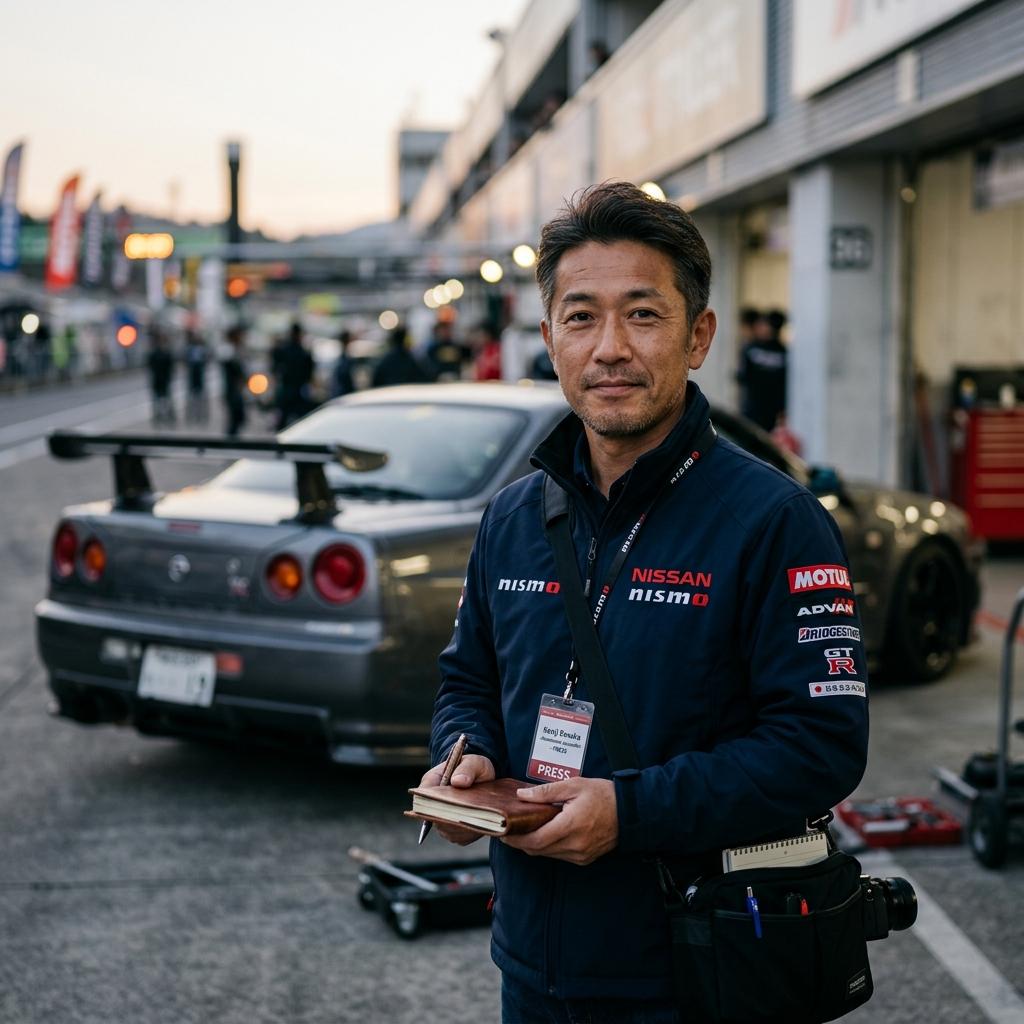
Kenji Sato
Kenji Sato is a contributing writer for Primedealsearch, bringing refined insights and expertise to our readers.