Mercedes-AMG One: Formula 1 Engineering for the Road
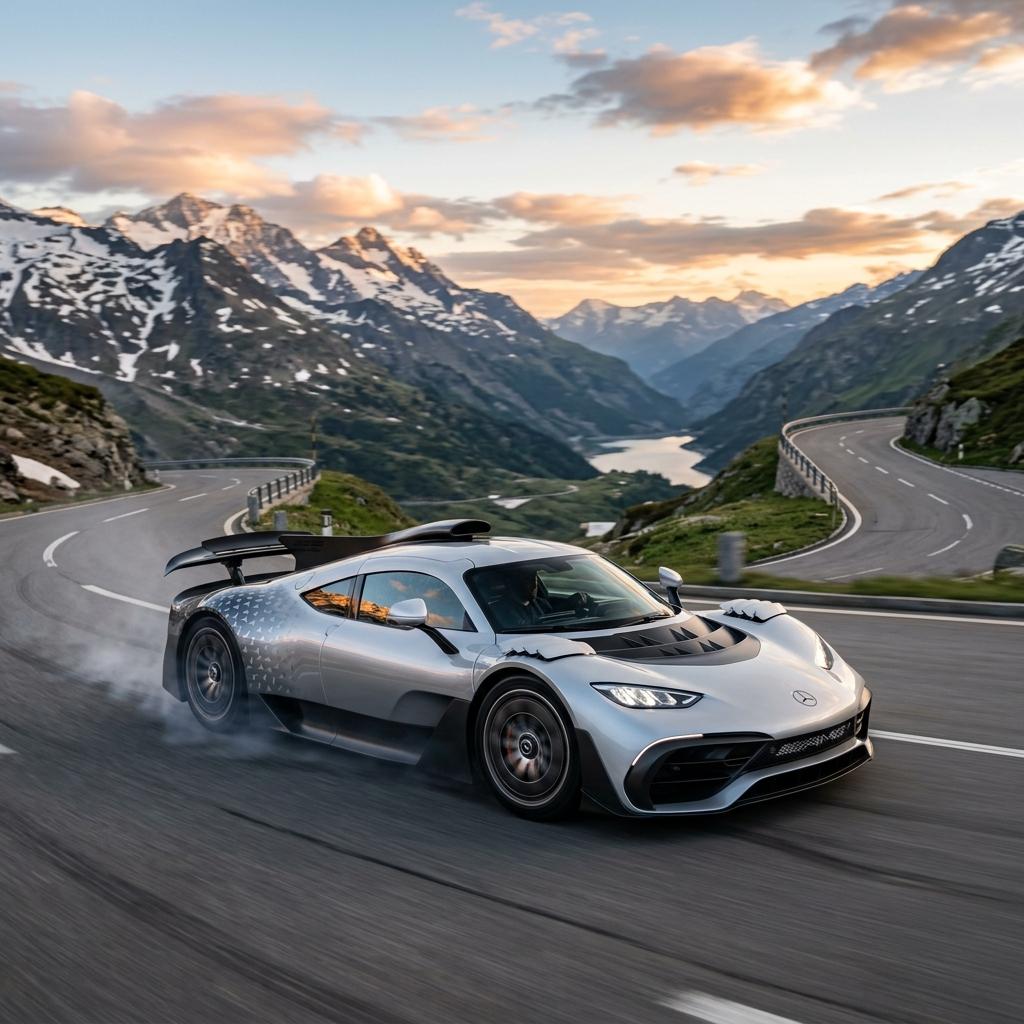
Mercedes-AMG put a literal Formula 1 power unit in a road car — and spent six years figuring out how to make it work.
Mercedes-AMG put a literal Formula 1 power unit in a road car, and spent six years figuring out how to make it work. The basic Mercedes-AMG One uses a 1.6-litre turbocharged V6 hybrid engine substantially identical to the powerplants used in Lewis Hamilton's championship-winning Mercedes Formula 1 cars, combined with various electric motor systems for total combined output of 1,063 horsepower. The basic combination of authentic Formula 1 powertrain technology and road-legal practicality represents perhaps the most ambitious production car project ever attempted, requiring substantial engineering innovation to overcome various challenges that the basic Formula 1 technology presented for road use applications.
The Six-Year Development Saga
The basic Mercedes-AMG One project was originally announced at the 2017 Frankfurt Motor Show with planned customer deliveries in 2019. The basic challenges of adapting Formula 1 powertrain technology for road use applications subsequently caused various extensive development delays. The basic production deliveries did not actually begin until 2022, with full production continuing through 2024.
The basic six-year development period reflects the substantial engineering challenges involved in road-applying Formula 1 technology. The basic Formula 1 power units operate under very specific conditions including limited operating durations, professional pit crew maintenance support, and various other circumstances that road use cannot replicate. The basic adaptation required various engineering innovations to ensure appropriate reliability and operability for road use without sacrificing the basic Formula 1 character.
Various specific engineering challenges included thermal management adaptation for road use conditions, reliability improvements for the substantially longer operating durations expected of road cars, emissions compliance with road vehicle regulations, and various other elements. The basic combination of these various challenges required substantial corporate commitment and engineering investment that few other manufacturers would have undertaken.
The Formula 1-Derived Power Unit
The basic Mercedes-AMG One uses essentially the same 1.6-litre V6 hybrid power unit as Lewis Hamilton's Mercedes Formula 1 car, with various modifications appropriate for road use applications. The basic combination includes the basic V6 internal combustion engine, MGU-K (Motor Generator Unit Kinetic), MGU-H (Motor Generator Unit Heat), turbocharger system, and various other components that constitute the basic Formula 1 power unit specifications.
The basic V6 engine displacement of 1.6 litres seems modest by hypercar standards, but the basic combination with the various electric motor systems and the basic high-rpm capability (revving to 11,000 rpm) creates power output substantially exceeding what the basic engine displacement alone would suggest. The basic peak combined power of 1,063 horsepower establishes the basic Mercedes-AMG One as one of the most powerful production hypercars ever offered.
Various specific Formula 1 features carried over to the basic road car include the basic individual throttle bodies for each cylinder, the sophisticated valve train with pneumatic valve return springs (a Formula 1 technology that traditional springs cannot match for high-rpm operation), the basic dry-sump lubrication system, and various other elements. The basic combination preserves the basic Formula 1 engine character while addressing road use requirements.
The Hybrid System Integration
The basic Mercedes-AMG One hybrid system represents a sophisticated integration of multiple electric motor and battery components. The basic MGU-K provides recovery of kinetic energy during braking, supplementing the basic battery charge available for acceleration assistance. The basic MGU-H provides recovery of heat energy from the turbocharger exhaust, providing additional charging capability and turbocharger performance enhancement.
The basic combination of two electric motors driving the front wheels (providing all-wheel drive capability) plus the basic MGU-K and MGU-H integrated with the basic engine creates total electric system output that substantially supplements the basic V6 engine power. The basic electric system contribution exceeds 300 horsepower in various operating conditions, providing the basic combined output that makes the basic Mercedes-AMG One genuinely competitive with the most extreme alternatives.
The basic battery system represents another significant engineering element. The basic relatively small battery capacity reflects the basic primary purpose of performance enhancement rather than extended electric driving. The basic combination of high-power battery output capability and integrated thermal management supports sustained performance during demanding driving conditions.
The Nürburgring Lap Record
In October 2024, the basic Mercedes-AMG One achieved a Nürburgring Nordschleife lap time of 6:29.090, establishing a new production car lap record. The basic achievement substantially exceeded various previous production car records, demonstrating the basic Mercedes-AMG One's exceptional performance capability.
The basic Nürburgring achievement validated Mercedes-AMG's substantial engineering investment in the basic AMG One program. Various automotive media coverage extensively discussed the basic record, with the basic combination of the basic Formula 1-derived powertrain and various other engineering elements receiving credit for the basic exceptional capability.
Various previous record holders including the Porsche 918 Spyder, Lamborghini Huracan Performante, and various others held production car lap records that the basic Mercedes-AMG One substantially exceeded. The basic combination of substantially greater engineering sophistication and various other factors enabled the basic capability that previous record holders could not approach.
Production and Customer Deliveries
Mercedes-AMG limited the basic AMG One production to 275 examples globally. The basic production allocation was substantially completed before public sales began, with various Mercedes-AMG existing customers receiving priority access. Various customer deliveries began in 2022 with full production completion expected through 2024.
The basic AMG One pricing was approximately 2.275 million euros at launch (with various option packages and personalization extending pricing higher). The basic combination of limited production, substantial pricing, and various other elements created exclusive ownership opportunity that has supported strong continuing demand from customers who could not access basic original production allocation.
The Driving Experience
Various reports from owners and journalists who have driven basic AMG One examples consistently describe the basic vehicle as unlike any other production car. The basic combination of authentic Formula 1 powertrain character, sophisticated chassis dynamics, and various other elements creates driving experiences that approach Formula 1 vehicle character in many respects.
The basic AMG One requires sophisticated engine management procedures including warmup periods, specific operating conditions for various performance modes, and various other elements that conventional production cars do not require. The basic combination of these various procedures reflects the basic authentic Formula 1 powertrain character that requires careful operation to ensure appropriate reliability and performance.
Why the AMG One Matters
The basic Mercedes-AMG One matters because it represents perhaps the closest production car to authentic Formula 1 powertrain technology ever attempted. The basic combination of engineering ambition, substantial corporate investment, and ultimate successful production demonstrates that the basic gap between road and racing vehicles can be substantially reduced when appropriate resources are committed to the project.
For the basic broader hypercar industry, the basic AMG One establishes engineering benchmarks that influence subsequent development. Various other manufacturers have studied the basic AMG One's engineering approach, with various subsequent hypercar projects incorporating various lessons from the basic Mercedes-AMG program.
Frequently Asked Questions
Does the Mercedes-AMG One really use a Formula 1 engine? Yes. The basic Mercedes-AMG One uses essentially the same 1.6-litre V6 hybrid power unit as the Mercedes Formula 1 cars, with various modifications appropriate for road use applications.
How much horsepower does the Mercedes-AMG One produce? The basic Mercedes-AMG One produces 1,063 horsepower combined output from the basic 1.6-litre V6 engine and various electric motor systems including the MGU-K, MGU-H, and front axle electric motors.
What is the Nürburgring lap time of the Mercedes-AMG One? The basic Mercedes-AMG One achieved a Nürburgring Nordschleife lap time of 6:29.090 in October 2024, establishing a new production car lap record by substantial margin over previous record holders.
How many Mercedes-AMG Ones will be built? Production is limited to 275 examples globally. Various customer deliveries began in 2022 with full production expected through 2024.
How much does a Mercedes-AMG One cost? The basic AMG One pricing was approximately 2.275 million euros at launch, with various option packages and personalization extending pricing higher. Current secondary market values typically substantially exceed original purchase prices.
Kenji Sato
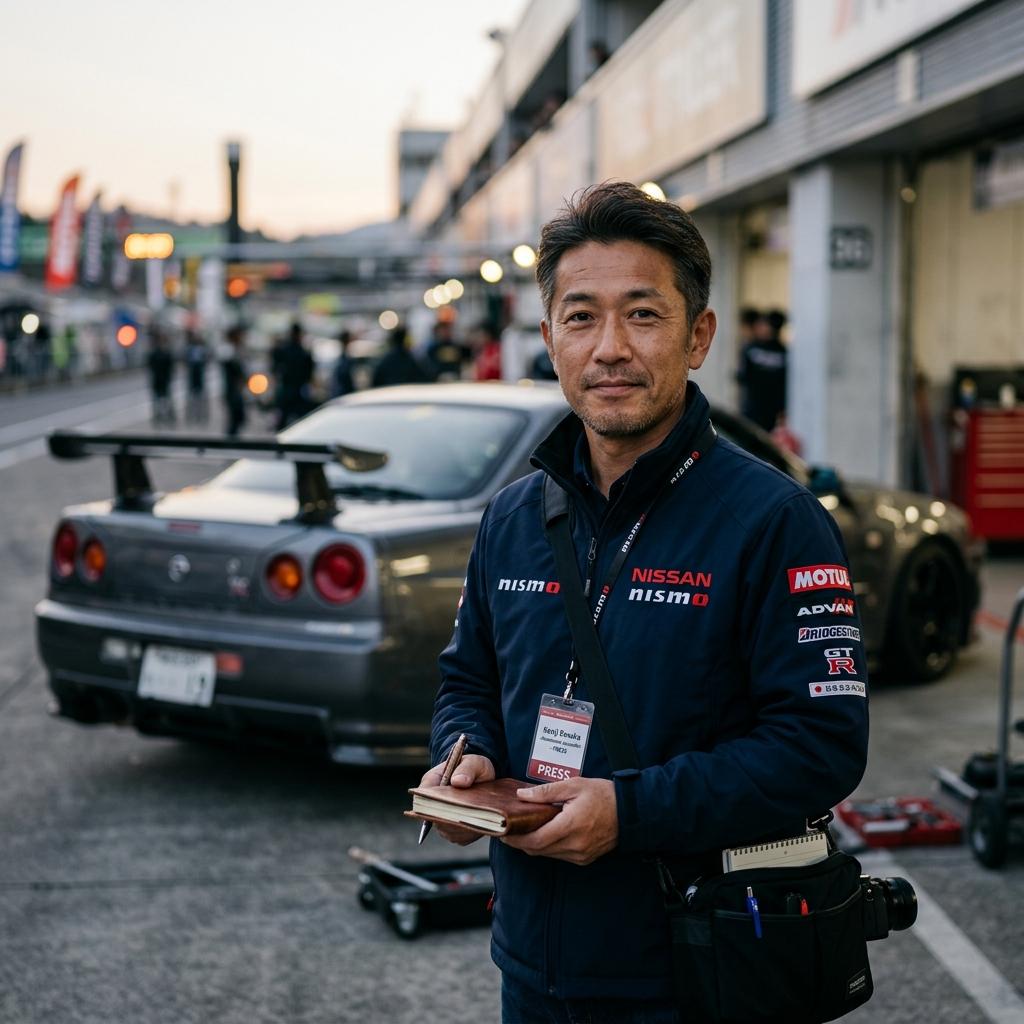
Kenji Sato is a contributing writer for Primedealsearch, bringing refined insights and expertise to our readers.